




Pricing
Products
Get Proxies
Resources
Language


Pricing -70%
Dynamic Residential

Dynamic Residential Traffic (GB)
Suitable for: Data collection, market research, and data collection.
Starting from
$0.49 /GB
Premium Dynamic Residential Traffic 
Suitable for:price monitoring, AI data scraping and other high-demand scenarios.
Starting from
$0.90 /GB

Dynamic Residential IP (Lines)
Suitable for: Email registration, web scraping, surveys, and other use cases.
Starting from
$0.027 /IP

Unlimited traffic - bandwidth
Suitable for: high-volume downloads of audio, video, and other data.
Starting from
$34.5/day

Unlimited Traffic - Port
Suitable for: questionnaire surveys, text and image downloads, and Brand protection.
Starting from
$0.31/Port/day
Static Residential
Products
Products
SERP API
Get real-time search engine results with multi-engine and multi-region support.
Dynamic Residential Traffic
Global resources with precise city-level positioning.
Unlimited Residential Traffic
Supports multiple ports and high bandwidth, unlimited traffic IPs with no extra fees.

Long-term Static ISP
Exclusive long-term static resources, providing unparalleled speed and reliability.
Popular Areas
Get Proxies
Resources
Get Started
What Is a Dynamic IP? Types, Rotation, and Comparison
 Henrik Olaf Nilsson
 2026-11-13
When using online services or running an online business, you may often come across dynamic IPs and static IPs. The most obvious difference between them is whether the IP address changes. A static IP usually stays the same, while a dynamic IP may change according to network allocation rules.
So, what exactly is a dynamic IP? What types are available, and how does an IP address change? This article covers the definition, common types, and rotation methods of dynamic IPs, compares them with static IPs, and explains their features and typical use cases.
A dynamic IP is an IP address assigned through a network allocation mechanism. Internet service providers (ISPs) or network management systems assign available addresses to devices based on an IP address pool and predefined allocation rules.
Unlike a static IP, a dynamic IP does not require a device to keep using the same address. When the IP lease expires, the network reassigns an address, or other allocation conditions change, the device may receive a new IP.
The main characteristic of a dynamic IP is that its address can change. However, this does not mean the IP changes every time you connect to the internet. Some dynamic IPs can remain in use for an extended period. How often they change depends on the ISP’s allocation rules or the rotation settings provided by the service provider.

Dynamic and static describe whether an IP address changes, while residential, datacenter, and mobile describe its network source. These are two different ways of classifying IP addresses, so residential, datacenter, and mobile IPs can all be dynamic.
Dynamic residential IPs come from residential networks, such as home broadband connections, and are typically assigned by internet service providers.
These IPs are associated with the network connections used by regular household internet users. They are commonly used for multi-region market research, public information collection, and website content checks.
Their rotation frequency, geographic coverage, and resource quality depend on the service provider’s IP pool and rotation rules.
Dynamic datacenter IPs come from network resources provided by datacenters or cloud service providers. These addresses are usually managed and assigned centrally by the provider.
They are suitable for network testing and data-related tasks that require a large number of IP addresses. However, datacenter IPs are not necessarily lower in quality. Their actual performance also depends on network routes, bandwidth, and resource availability.
Dynamic mobile IPs come from mobile carrier networks, including 4G and 5G connections.
Some mobile carriers use Carrier-Grade Network Address Translation (CGNAT), which allows multiple users to share a public IPv4 address. Different connections are then distinguished through port numbers and other mapping mechanisms. As a result, the local IP assigned to a device may differ from the public IP address seen by external websites.
Also, a change in a mobile IP does not necessarily mean that every device receives its own new public IP address.
| Comparison | Dynamic Residential IPs | Dynamic Datacenter IPs | Dynamic Mobile IPs |
| Network source | Home broadband and other residential networks | Datacenter or cloud service provider networks | 4G and 5G mobile networks |
| Common network ownership | Residential broadband ISPs | Datacenter operators or cloud service providers | Mobile carriers |
| Key characteristics | Sourced from residential networks; geographic coverage varies by resource availability | Centrally managed resources that are generally easy to use in bulk | Sourced from mobile networks and may involve CGNAT |
| Common use cases | Market research and public information collection | Network testing and data-related tasks | Mobile network testing and multi-region operations |
You may also come across the term ISP residential IP. These products typically emphasize the IP’s ISP affiliation and network source, and some offer longer usage periods. However, an ISP affiliation alone does not prove that an IP comes from a home broadband connection. To determine the actual network type, you also need to consider its ASN, ISP information, and network source.
Dynamic IP changes are mainly related to network allocation mechanisms. Some IP services also offer scheduled rotation and per-request rotation, allowing users to switch addresses according to their task requirements.
DHCP is a common protocol for assigning IP addresses. In a home network, a router typically uses DHCP to assign private IP addresses to connected devices. In some networks, ISPs may also use DHCP or other methods to assign public IP addresses to home routers and set lease periods.
Before a lease expires, a device can usually request a renewal. If the renewal succeeds, it may continue using the same address. If the network assigns a different address, the device may receive a new IP.
Therefore, disconnecting and reconnecting to the internet does not necessarily result in a new IP address. The outcome depends on the ISP’s address allocation rules.
In addition to standard allocation mechanisms used by ISPs, some IP services support different rotation methods:
Session persistence is not a separate rotation method. Instead, it is an IP usage strategy designed for tasks that require a continuous connection.
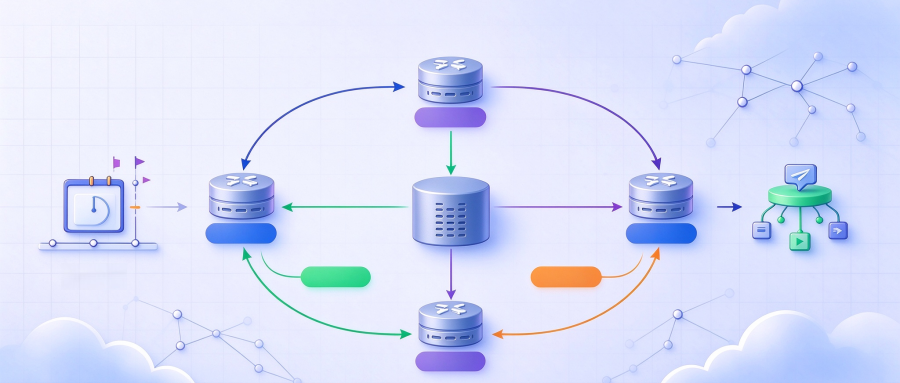
The most obvious difference between dynamic and static IPs is whether the address changes. In practical use, however, they also differ in flexibility and suitable use cases.
| Comparison | Dynamic IP | Static IP |
| Address changes | May change according to allocation rules | Usually remains the same |
| Usage flexibility | Can rotate according to predefined rules | Uses the same address over an extended period |
| Connection continuity | An IP change may affect an active connection | Better suited to connections that require a fixed address |
| Common use cases | Multi-region access, data collection, and network testing | Remote connections, IP-based access permissions, and long-term operations |
If your business needs to use the same IP address over an extended period or set access permissions based on a fixed address, a static IP may be more suitable. If you need IP addresses from different regions or want the flexibility to rotate addresses, a dynamic IP may be a better fit.
However, whether an IP address changes is not the only factor that determines network stability. Network routes, bandwidth, and the service provider’s resource quality also affect actual performance.
Dynamic IPs are useful for tasks that require flexible access to different network addresses, as their addresses can change according to allocation rules. Common use cases include the following.
Websites in different countries and regions may display different content, prices, or page information based on the visitor’s location.
Using a dynamic IP from the relevant region can help users view public information across different markets and understand how local websites are displayed. Before using a service, check whether it supports the target countries and cities.
When accessing large numbers of public web pages or monitoring websites, dynamic IPs can rotate according to task requirements and provide more flexible network resources for requests.
For example, users can check whether website pages load correctly from different regions, whether content is displayed as expected, and whether there are differences in page access status.
Businesses serving multiple countries or regions may need to check local page displays, language settings, and business processes.
Dynamic IPs provide network access from different regions, making it easier to conduct localized testing. If a testing task requires the same IP address over an extended period, a static IP may be a better option.
The actual performance of a dynamic IP depends on more than whether its address changes. Resource quality, rotation rules, and network performance also matter. When choosing or using a service, pay attention to the following factors.
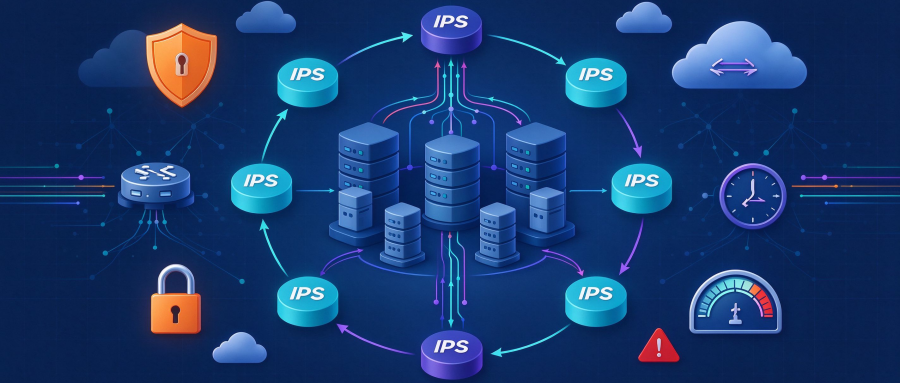
Different tasks have different requirements for IP rotation frequency.
If a task requires a continuous connection, check whether the service provider supports session persistence and how long each session can last. If the task requires regular address changes, confirm whether scheduled, per-request, or manual rotation is available.
Frequent IP changes during a task may affect the current connection. Therefore, rotation frequency should be configured according to the actual requirements of the task.
When choosing a dynamic IP service, consider the following factors:
ASN and ISP information: These can help identify an IP’s network ownership, but they are not enough to determine its quality on their own.
Historical usage records: Third-party tools can help check whether an IP has a history of abuse. However, results may vary between platforms.
IP cleanliness: There is currently no universal industry standard for measuring IP cleanliness. Different providers may use different criteria.
Geographic coverage: Check whether the service supports your target countries and cities, and whether its location accuracy meets your requirements.
Also, an IP’s geolocation, ASN, and ISP information may not always match perfectly. Differences can also result from how frequently third-party databases are updated.
If a task requires multiple simultaneous connections, check how many concurrent connections the service provider supports and whether any concurrency limits apply.
Bandwidth, connection speed, response time, and connection stability can also affect the user experience. If a plan has traffic limits, make sure you understand its billing method and usage allowance to avoid interruptions during a task.
When using dynamic IPs for data collection or other automated tasks, review the target website’s terms of service and comply with applicable data protection and privacy regulations.
If a website provides a robots.txt file, you can refer to its instructions for automated access and adjust request frequency and volume accordingly. You should also pay attention to the website’s rules regarding account usage and data access.
Dynamic IPs are assigned through network allocation mechanisms and may change according to predefined rules. Residential, datacenter, and mobile networks can all provide dynamic IPs, but their network sources and suitable use cases differ.
Neither dynamic nor static IPs are universally better. If your business needs to use the same address over an extended period, a static IP may be the better choice. If you need IP addresses from different regions or flexible address rotation, a dynamic IP may be more suitable.
When choosing a dynamic IP service, consider its IP sources, resource quality, geographic coverage, rotation methods, concurrency limits, and bandwidth. Understanding your requirements for address stability and network resources first will make it easier to choose the right type of IP.
There is no fixed interval. It may change every few hours, every few days, or even less frequently, depending on the ISP’s allocation rules or the service provider’s rotation settings. Reconnecting to the internet does not necessarily result in a new IP.
A static IP is more suitable when you need to use the same address over an extended period. A dynamic IP offers more flexibility when you need to change addresses or use network resources from different regions.
A dynamic IP does not directly determine internet speed. Actual performance mainly depends on network routes, bandwidth, and the service provider’s resource quality. Frequent IP changes may also affect connection continuity.
A dynamic IP is not inherently safer or more dangerous. Its reliability depends on the source of the IP resources and the service provider’s account and data protection measures. You should also follow website rules and applicable regulations when using it.
Common use cases include multi-region market research, public data collection, website monitoring, and multi-region business testing. The right solution depends on your requirements for geographic coverage and IP rotation methods.
Exclusive 1024proxy Blog Reader Offer – First-Order Discount for New Users
1024proxy offers premium residential IPs for diverse business needs.
Use code uROEztvZMk at checkout for 5% off your first order.
For IP purchasing or usage assistance, contact us at: support@1024Proxy.com
Telegram
 Sales Manager

@proxy1024

 Sales Manager

@proxy1024_com
Private transfers are not accepted. Please make the payment through the official website!
Emai
Official Email
support@1024proxy.com 
-Provide your account and describe the issue you encountered.
- We will respond within 24 hours.