




Pricing
Products
Get Proxies
Resources
Language


Pricing -70%
Dynamic Residential

Dynamic Residential Traffic (GB)
Suitable for: Data collection, market research, and data collection.
Starting from
$0.49 /GB
Premium Dynamic Residential Traffic 
Suitable for:price monitoring, AI data scraping and other high-demand scenarios.
Starting from
$0.90 /GB

Dynamic Residential IP (Lines)
Suitable for: Email registration, web scraping, surveys, and other use cases.
Starting from
$0.027 /IP

Unlimited traffic - bandwidth
Suitable for: high-volume downloads of audio, video, and other data.
Starting from
$34.5/day

Unlimited Traffic - Port
Suitable for: questionnaire surveys, text and image downloads, and Brand protection.
Starting from
$0.31/Port/day
Static Residential
Products
Products
SERP API
Get real-time search engine results with multi-engine and multi-region support.
Dynamic Residential Traffic
Global resources with precise city-level positioning.
Unlimited Residential Traffic
Supports multiple ports and high bandwidth, unlimited traffic IPs with no extra fees.

Long-term Static ISP
Exclusive long-term static resources, providing unparalleled speed and reliability.
Popular Areas
Get Proxies
Resources
Get Started
Malaysia Residential IPs: Types, Uses and Buying Tips
 Ivan Dmitriy Petrov
 2026-11-16
A business planning to expand into Malaysia needs to understand the local e-commerce market before launching its operations. However, accessing websites from other countries may show different product information and page content than what local Malaysian users see.
Understanding the network sources, types, and practical uses of Malaysia residential IPs can help businesses identify the right resources for their needs. Knowing what to check before purchasing also makes it easier to compare products and avoid issues caused by unclear usage policies.
A Malaysia residential IP is an IP address provided through a local Malaysian residential broadband network, typically assigned by an Internet Service Provider (ISP). For example, IP addresses used by home broadband customers of Telekom Malaysia (Unifi), Maxis, or TIME may be classified as residential IPs.
The key feature of these IPs is that they originate from local Malaysian home broadband connections. Websites and online platforms can use IP addresses to identify a visitor’s approximate location and ISP.
Both Malaysia residential IPs and Malaysia data center IPs can show a Malaysian location, but they come from different network sources. Residential IPs originate from local home broadband networks, while data center IPs come from data centers or cloud servers. For example, home internet users typically use residential IPs, whereas servers hosted in Malaysian data centers generally use data center IPs.
| Comparison | Malaysia Residential IP | Malaysia Data Center IP |
| Network Source | Local Malaysian home broadband | Malaysian data centers or cloud servers |
| IP Provider | Local Internet Service Providers | Data center or cloud service providers |
| Network Type | Residential | Datacenter / Hosting |
| Common Uses | Local content access, market research, account management | Server deployment, website hosting, cloud computing |
Websites may display different content depending on the visitor’s location. Some Malaysian services may also restrict access from IP addresses in other regions. A Malaysia IP can help users access content intended for the local market, although actual access still depends on each website’s policies.
Some websites may restrict data center IPs or require visitors to connect through specific network types. These activities may require not only a Malaysian IP location but also an IP from a local residential network. Malaysia residential IPs are suitable for tasks that require both geographic location and residential network characteristics.
Page content and localization settings may vary across Malaysian regions. For example, businesses targeting Kuala Lumpur, Penang, or Johor may need to check whether regional information, language versions, and delivery coverage match local requirements. Malaysia residential IPs allow users to access relevant pages through local home network connections and check regional content.

Malaysia IP services commonly include dynamic residential IPs and long-term static ISP IPs. These products differ in how IP addresses are assigned, how long they remain available, and how they are used.
Dynamic residential IPs are Malaysian residential IP addresses that can change according to the provider’s rules. Common rotation options include changing IPs with each request, switching at scheduled intervals, or manually changing addresses.
Some dynamic residential IP services also support Sticky Sessions, allowing users to keep the same IP for a set period and avoid interruptions caused by frequent address changes.
A long-term static ISP IP (also known as a static residential IP) is a Malaysian IP address that remains fixed throughout the agreed rental period. Users can continue using the same address without frequent changes.
A fixed IP helps maintain long-term connections and makes login records and access settings easier to manage. Compared with dynamic residential IPs, this type of service focuses more on address stability and continuous use.
| Comparison | Dynamic Residential IP | Long-Term Static ISP IP |
| IP Changes | Rotates according to provider rules | Remains fixed during the rental period |
| Connection | Dynamic rotation; some support Sticky Sessions | Uses the same IP over time |
| Key Features | Flexible addresses for multi-IP tasks | Stable address for ongoing management |
| Common Uses | Market research, data collection, website testing | E-commerce operations, account management, long-term platform access |
For more details about the differences between residential IPs and ISP IPs, read our article ISP IP or Residential IP: Which Fits Your Business?
Malaysia residential IPs can support e-commerce operations, social media management, ad testing, and website data collection. Each activity has different requirements for IP location, network source, and usage.
Shopee Malaysia and Lazada Malaysia are useful platforms for understanding the local e-commerce market. Businesses can check competitor prices, coupons, free shipping thresholds, and promotions to analyze pricing strategies and promotional activities.
Malaysia’s market uses Malay, English, and Chinese. Product titles, descriptions, and marketing copy should reflect local language preferences. Accessing product pages through a local network can help businesses assess whether their listings are suitable for the target market.
Managing social media accounts targeting Malaysian audiences requires an understanding of local content trends, popular topics, and user preferences. Malaysia has a multilingual environment, and different language groups may follow different topics and content trends.
During holidays such as Hari Raya Aidilfitri, Chinese New Year, and Deepavali, popular topics and brand campaigns on local social media may change. Using Malaysia residential IPs to access social media can help businesses understand local interests and plan relevant content.
After launching ads in Malaysia, businesses need to check whether ad creatives and landing pages meet local users’ expectations. Prices should use Malaysian Ringgit (RM), language versions should be accurate, and delivery coverage should match the target regions.
For campaigns targeting Kuala Lumpur, Penang, or Johor, businesses may also need to verify regional information on landing pages. Malaysia residential IPs can help test how ads and landing pages appear in the local network environment and identify issues with language, pricing, or delivery settings.
Market research in Malaysia may involve local news websites, travel platforms, company websites, and industry information sources. Researchers can collect publicly available company details, product information, travel updates, and industry news to support market analysis.
Malaysia residential IPs can help access websites intended for local users and support public information collection. For bulk data collection, users should manage request frequency and follow website access restrictions and terms of service.
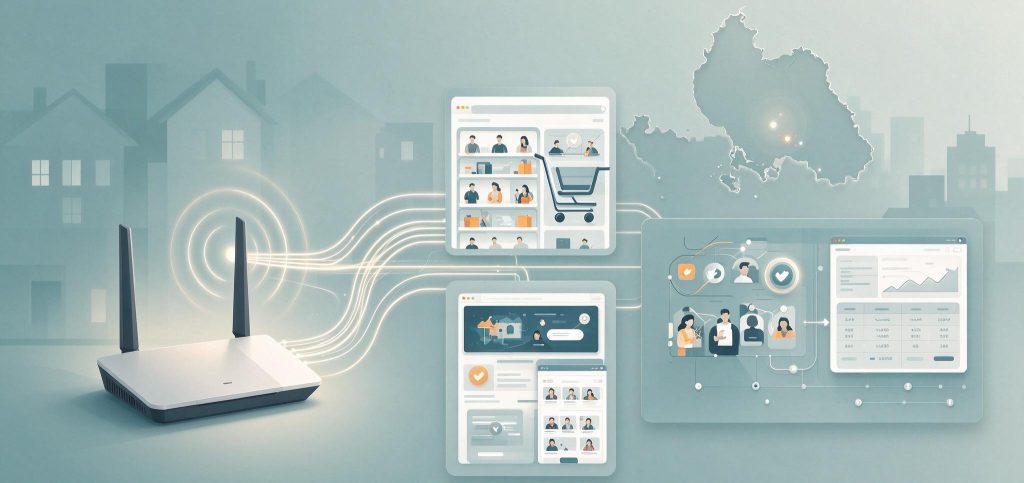
Choosing Malaysia residential IPs involves more than comparing prices and plan specifications. Network source, IP usage rules, and connection stability can all affect the experience. Consider the following factors before purchasing.
First, confirm that the IP is actually located in Malaysia and that its city and network type meet your requirements.
IP lookup tools typically display information such as country, city, ISP, ASN, and network type. If you need residential resources, do not rely solely on the displayed Malaysian location. Also verify that the provider’s IPs originate from local home broadband networks.
Dynamic residential IPs and long-term static ISP IPs have different usage rules. Check the product details before purchasing.
For dynamic residential IPs, review the rotation options, Sticky Session duration, and manual IP change support. For long-term static ISP IPs, check the rental period, renewal policy, and whether the IP is dedicated or shared. Connection limits and the number of permitted users may also affect usage.
Connection stability directly affects daily operations. Pay attention to connection speed, response time, and uptime, especially for tasks that require long-running connections.
HTTP(S) and SOCKS5 are common connection protocols. Confirm that the service supports your required protocol and check the plan’s traffic, bandwidth, and concurrent connection limits.
An IP’s previous usage history may affect how some websites and platforms evaluate it. Check whether the provider offers IP quality testing and whether you can request a replacement if an IP cannot connect properly or shows an incorrect location.
If trials or small-volume plans are available, test a few IPs first. Check their location, network type, and connection performance. You should also review refund terms, IP replacement policies, and technical support procedures.
Different providers may have different restrictions on how their IPs can be used. Account management, data collection, and automated access may be subject to specific requirements. Confirm that your intended activities are permitted before purchasing.
Reliable technical support is also important. Clear troubleshooting procedures and response times can help reduce business disruptions when connection issues or IP problems occur.
Malaysia residential IPs are useful for businesses that require local network sources and region-specific access. Dynamic residential IPs and long-term static ISP IPs differ in network source, address rotation, and rental duration. Before purchasing, consider your business needs and verify the product’s network resources, connection rules, and service quality to avoid potential issues.
Yes. You can use Malaysia residential IPs from anywhere, as long as you can connect to the provider’s service. Websites will generally see the Malaysia exit IP.
It depends on the provider and plan. Some services support city-level targeting, such as Kuala Lumpur or Penang, while others only offer country-level targeting.
Dynamic residential IPs are usually charged by traffic usage (GB), while static ISP IPs are typically priced per IP and rental period. Rates vary by provider.
Dynamic residential IPs are better for market research and competitor monitoring, while static ISP IPs are more suitable for long-term store access and account management.
Exclusive 1024proxy Blog Reader Offer – First-Order Discount for New Users
1024proxy offers premium residential IPs for diverse business needs.
Use code uROEztvZMk at checkout for 5% off your first order.
For IP purchasing or usage assistance, contact us at: support@1024Proxy.com
Telegram
 Sales Manager

@proxy1024

 Sales Manager

@proxy1024_com
Private transfers are not accepted. Please make the payment through the official website!
Emai
Official Email
support@1024proxy.com 
-Provide your account and describe the issue you encountered.
- We will respond within 24 hours.